
Bleeding, Sensitivity, and Tooth Wear: Warning Signs You Shouldn’t Ignore After 40
You have crossed the 40 mark, and you start noticing things. Your gums bleed when you brush, you feel a sharp twinge when you drink something cold, or you realize your teeth look a little shorter than they used to. Is that normal? The short answer is no. Age does influence oral health, but these changes are not inevitable, and they are certainly not something you should simply accept. They are signals your body is sending so you can act in time. At Clover Hills Dentistry in Mission, TX, we want to help you understand what they mean and how to address them.
Why does your dental health change after 40?
After 40, the body goes through a series of physiological changes that also affect your mouth. Years of chewing, hormonal shifts, certain medications, a natural decrease in saliva flow, and your lifelong dental care habits all start to show concrete effects.
This does not mean tooth loss, sensitive gums, or wear are a normal part of aging. It means prevention and professional follow-up become more important than ever. Regular check-ups at Clover Hills Dentistry allow us to observe the condition of your oral tissues, identify subtle changes, and propose solutions before a minor issue turns into a major one.
Bleeding gums: the most underestimated warning sign
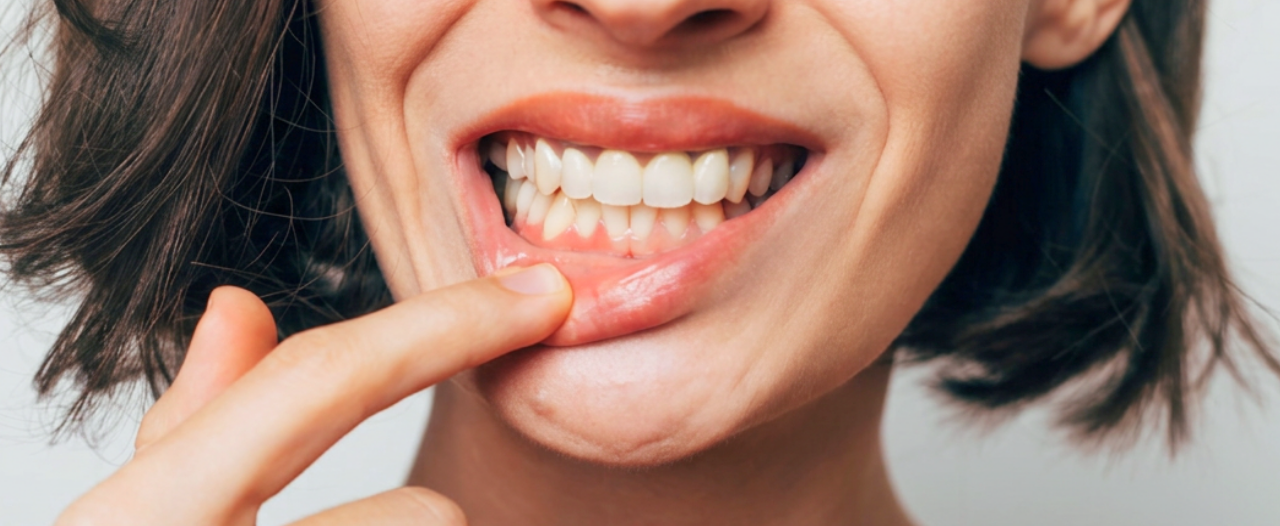
“My gums bleed a little when I brush, but it’s nothing.” This is probably one of the most repeated phrases in a dental office, and one of the most dangerous. Bleeding gums are not normal, not at 20, not at 50. They are usually an early sign of periodontal disease, a condition that progresses silently and can compromise not only the health of your gums but also the bone that supports your teeth.
Some symptoms that often come with bleeding and deserve your attention:
- Red or inflamed gums.
- Sensitivity when chewing.
- Persistent bad breath.
- Gums that appear to be pulling back, exposing more of the tooth.
- Teeth that feel slightly loose.
In adults over 40, periodontal disease is one of the leading causes of tooth loss. The good news is that, when caught early, it can be treated successfully. The specialized team at Clover Hills Dentistry offers periodontics services designed to stop the progression and restore your gum health.
Tooth sensitivity: when it’s no longer “normal”
Feeling a sharp twinge from a hot coffee or a cold drink may seem like a minor inconvenience, but when it becomes frequent, it is a clear message that something is going on. Tooth sensitivity after 40 can have multiple causes:
- Enamel wear from bruxism or aggressive brushing.
- Gum recession that exposes the root of the tooth.
- Cavities in their early stages.
- Old restorations that are leaking.
- Inflammation of the dental pulp, which in advanced cases may require an endodontic treatment (root canal).
If tooth pain appears spontaneously, lasts longer than a few seconds, or becomes constant, do not wait. A timely evaluation makes it possible to pinpoint the exact origin and propose the right treatment before the situation turns into a dental emergency. Dr. Collantes, with training in endodontics, and the specialized team at Clover Hills Dentistry are prepared to handle even the most complex cases with precision.
Tooth wear: the silent enemy
Tooth wear is one of the most underestimated issues after 40, precisely because it happens gradually. It does not hurt at first, it does not cause immediate discomfort, but its consequences add up over time. By the time you finally notice it, the tooth structure has already lost thickness, the edges look uneven, and your bite may even feel different.
The most common causes include:
- Bruxism: clenching or grinding the teeth, often during sleep.
- Misaligned bite: which distributes pressure unevenly.
- Acid erosion: from reflux, certain medications, or highly acidic drinks.
- Abrasive brushing: with brushes that are too hard or with improper technique.
Wear does not reverse on its own, but it can be stopped and restored. When teeth lose structure, they become more vulnerable to fractures, sensitivity, and infections that can develop into a dental emergency. That is why a professional evaluation is essential to identify the wear pattern and propose a plan tailored to you.
Treatments that can help you at Clover Hills Dentistry
Every case is different, and at Clover Hills Dentistry the approach is always personalized. Dr. Collantes and the specialized team at the practice observe the full condition of your mouth, review your medical history, and create a plan that fits your specific needs. Some of the most common treatments we provide to address these warning signs include:
- Periodontics services to treat bleeding gums and periodontal disease at its different stages.
- Restorative dentistry to repair worn, fractured, or decayed teeth.
- Endodontics (root canal or endodontic treatment) when the dental pulp is compromised and the pain has become persistent.
- Cosmetic dentistry to restore the shape and function of teeth affected by wear.
- Emergency care for those situations when a dental emergency calls for immediate action.
The goal is not just to solve the current problem but to walk with you through a sustainable oral health strategy for the years ahead.
Your next step: schedule a check-up
The best way to care for your smile after 40 is not to wait until a symptom becomes urgent. A professional check-up allows us to observe changes you may not have noticed and act before they progress. At Clover Hills Dentistry, we are ready to walk with you through every stage.
Schedule an appointment by calling 956-997-9799 or visit cloverhillsdentistry.com. Our hours are Monday through Friday, 7:30 a.m. to 5:00 p.m., at 2605 N. Shary Rd., Mission, TX 78574. We care for every smile with the attention it deserves, one step at a time.