What Happens to My Mouth If I Don’t Have Good Oral Hygiene?
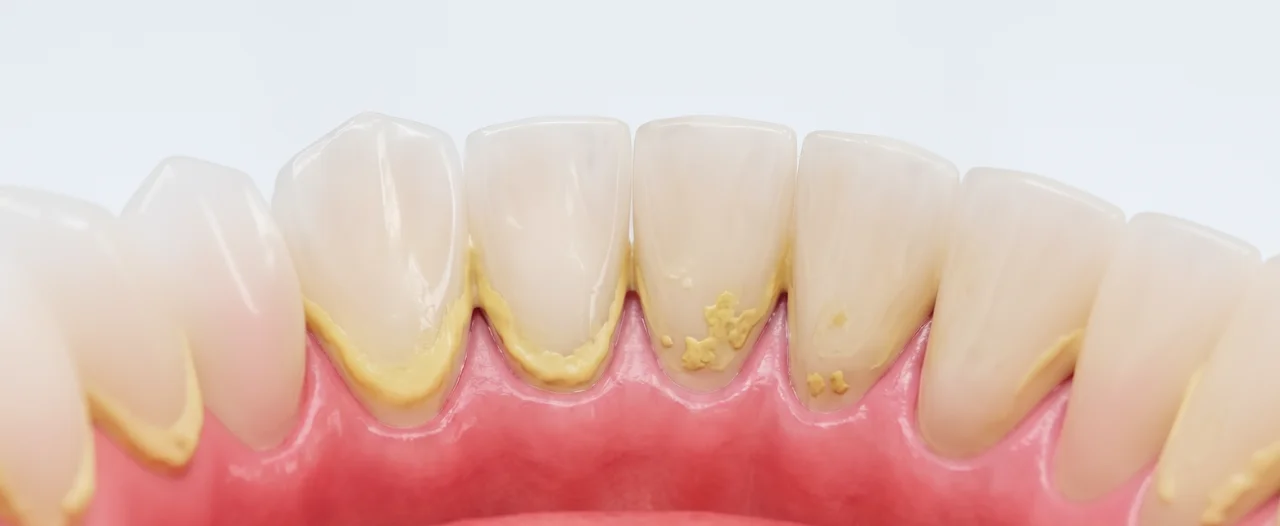
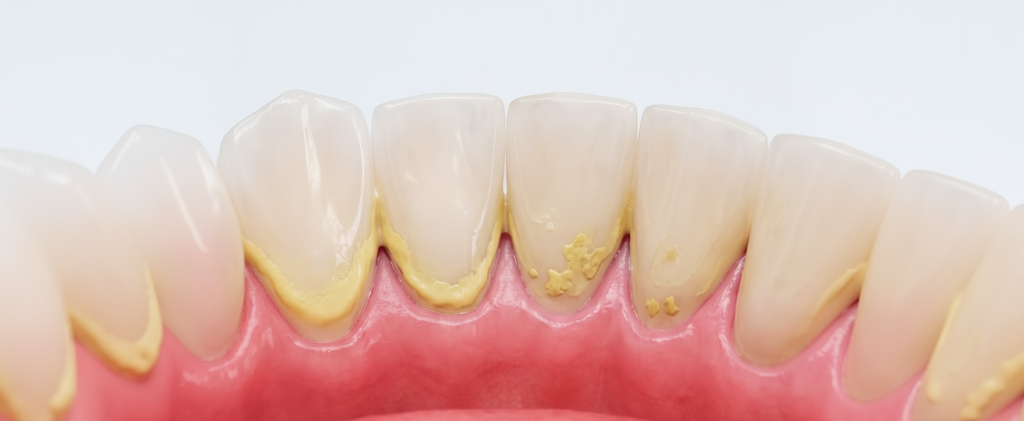
Without good oral hygiene, plaque, a sticky film of bacteria, builds up on your teeth. Over time, it can harden into tartar, which brushing alone can’t remove. That buildup can irritate your gums, contribute to cavities, and cause bad breath. The good news is that in their early stages, these changes often respond to a consistent routine at home and regular professional cleanings.
Many people brush every day and still feel that something isn’t right: gums that bleed, bad breath that won’t go away, or new sensitivity. Others simply skip flossing or keep putting off their cleaning. Either way, understanding what’s happening inside your mouth helps you make better decisions. This National Dental Hygiene Month, we’re sharing what the Clover Hills Dentistry team observes when oral hygiene falls short and how to get back on track.
What Is Plaque, and Why Isn’t Brushing Always Enough?
Plaque forms every day on the surfaces of your teeth and along the gumline. Brushing removes much of it, but some areas are harder to reach, like the spaces between your teeth. If plaque isn’t removed, some of it can harden below the gumline.
Once plaque turns into tartar, your toothbrush and floss are no longer enough. At that point, removing it requires a professional cleaning as part of our general dentistry services. (Information not found on site — editorial verification needed: confirm with NIDCR or ADA that tartar requires professional removal.)
What Happens to My Gums If I Don’t Have Good Oral Hygiene?
Your gums are often the first to show changes. When plaque builds up along the gumline, the tissue can become red, swollen, and bleed easily. These are signs of gingivitis, a mild form of gum disease.
If it isn’t addressed, gum disease can progress to the tissues and bone that support your teeth, and chewing may become painful. That’s why frequent bleeding when you brush shouldn’t be treated as normal. To better understand where your gums stand, read how to tell if your gums are healthy and learn more about periodontics at Clover Hills Dentistry.
Can Poor Oral Hygiene Cause Cavities and Tooth Pain?
Bacteria in plaque can affect tooth enamel and lead to cavities. When a cavity progresses without treatment, you may notice tooth pain or sensitivity to cold, heat, or pressure when biting. (Information not found on site — editorial verification needed: support the link between plaque, cavities, and pain with NIDCR or ADA.)
If decay reaches the nerve of the tooth, treatment may go from a filling to a root canal, also known as endodontic treatment. Learn what endodontics involves, and if the pain is severe or comes on suddenly, find out when it’s considered a dental emergency.
Why Do I Have Bad Breath Even Though I Brush?
Bad breath that doesn’t go away isn’t always solved with mouthwash or gum. Persistent halitosis can be a sign of oral health issues worth checking at your next visit. It’s often related to plaque buildup in areas brushing doesn’t fully reach, such as between the teeth, along the gumline, or on the tongue.
If you notice bad breath along with bleeding gums, read our article on bleeding gums, cavities, and chipped teeth. And while our halitosis article focuses on children, the warning signs it describes can also help you understand bad breath in adults.
What Does a Good Oral Hygiene Routine Include?
A complete routine combines daily care at home with regular dental visits. The NIDCR recommends brushing twice a day with fluoride toothpaste, flossing regularly to remove plaque from between your teeth, and seeing your dentist routinely for checkups and professional cleanings.
A professional cleaning is the backup your routine needs. It reaches the areas where brushing isn’t enough and removes what your toothbrush and floss leave behind. When gum disease is already present, the team may recommend a deeper treatment, such as scaling and root planing.
Can I Reverse the Effects of Poor Oral Hygiene?
It depends on the stage. In early phases, such as gingivitis, changes in the gums often respond to a good routine at home and professional cleanings. Early gum disease caused by plaque buildup can often be reversed through daily brushing and flossing. When the problem has already affected the nerve of the tooth or the supporting tissues, the team evaluates which treatment is right for each case.
The key is not to wait for pain. Every visit is a chance to see how your teeth and gums are doing and adjust your routine before a small change becomes a bigger one.
Your Routine Today Protects Your Smile Tomorrow
Good oral hygiene isn’t about being perfect. It’s about being consistent. Brushing, flossing, and supporting those habits with regular professional cleanings help keep your teeth and gums in better shape over time. National Dental Hygiene Month is a great time to review your routine and schedule your next cleaning.
When was your last dental cleaning? Schedule your appointment at Clover Hills Dentistry.
📞 956-997-9799
📍 2605 N. Shary Rd., Mission, TX 78574
🕖 Monday to Friday, 7:30 AM to 5:00 PM
🗓️ Book online: flexbook.me/cloverhill