Bleeding Gums, Cavities, and Chipped Teeth: What It Means and What to Do
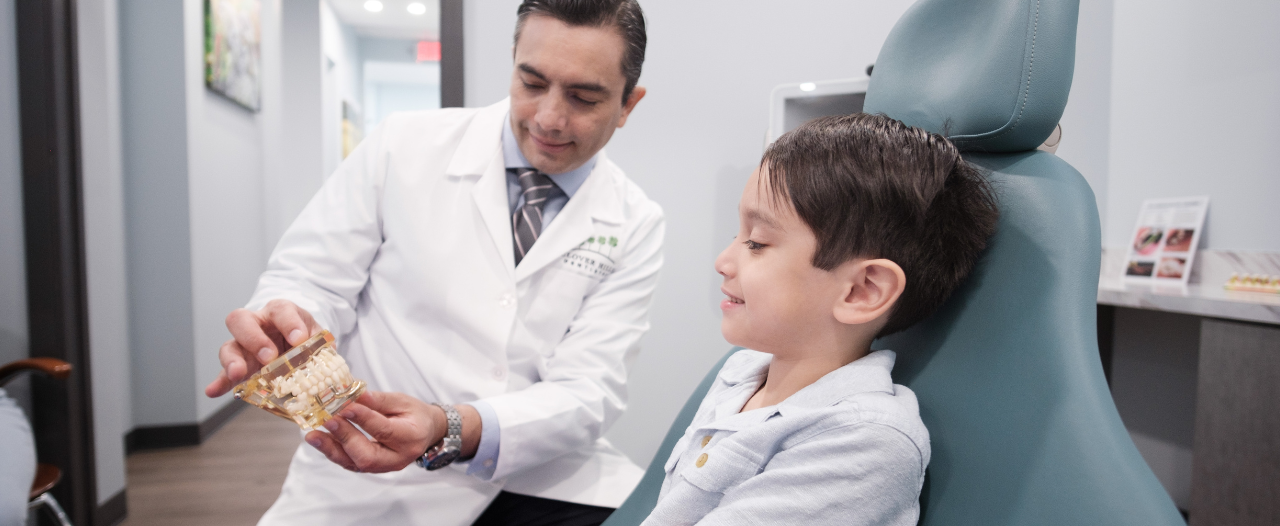
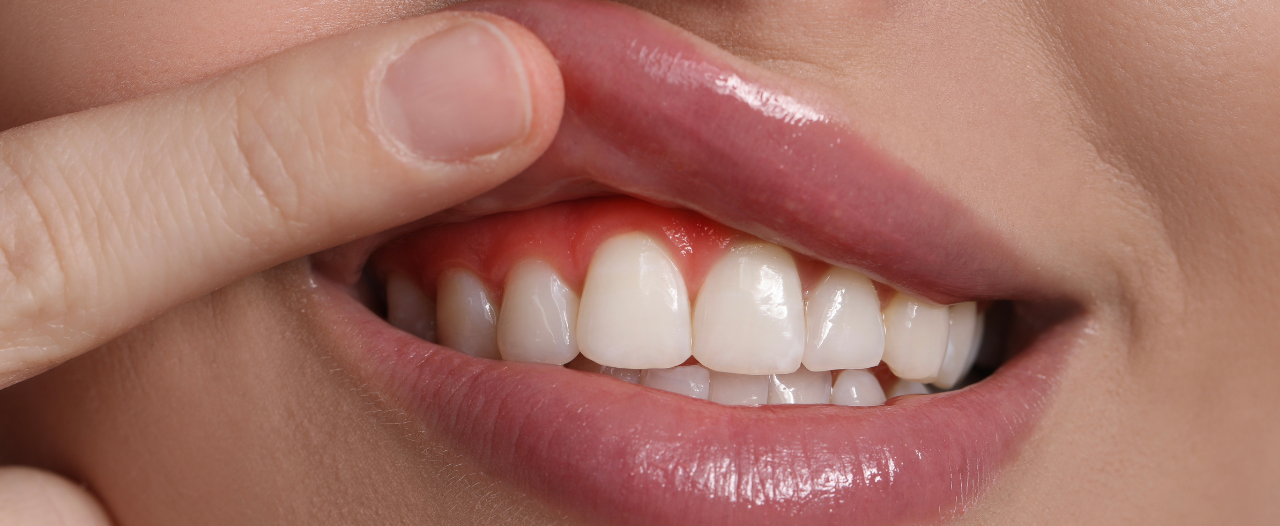
Alt text image: Dentist examining patient with bleeding gums and chipped tooth symptoms
It’s normal to wonder, “Is this serious?” when you notice bleeding gums, a cavity, or a chipped tooth. The good news is that these dental issues are common—and in many cases, they can be prevented or treated early before they turn into pain or emergencies.
Below you’ll find what each sign may mean, what you can do at home, and when it’s best to schedule a dental visit.
Bleeding Gums: Don’t Ignore It
Bleeding when brushing or flossing should not be considered normal. Most often, it’s a sign of gum inflammation caused by plaque buildup near the gumline.
What it may mean
- Gingivitis (early-stage gum disease)
- Incomplete brushing along the gumline
- Inconsistent flossing
- Tartar buildup requiring professional cleaning
What to do now
- Brush gently but thoroughly along the gumline
- Floss daily—even if mild bleeding occurs initially
- If bleeding lasts more than 7–10 days, schedule a dental evaluation
Cavities: They Don’t Always Hurt at First
Many cavities develop without noticeable pain. By the time symptoms appear, the decay may already be more advanced.
What it may mean
- Early enamel weakening
- Cavities forming between teeth
- Sensitivity to cold foods or sweets
- In more advanced cases: pain when biting or swelling
What to do
- Brush twice daily with fluoride toothpaste
- Floss once daily
- Reduce frequent sugary snacks and drinks
- If you notice persistent sensitivity or a dark spot, schedule a dental exam
Chipped Teeth: It May Be More Than a Small Piece
A chipped tooth may occur from biting hard foods, trauma, or long-term wear. Sometimes the tooth was already weakened.
What it may mean
- Small cracks from clenching or grinding (bruxism)
- Decay weakening the tooth structure
- A worn or failing filling
- Sports injury or accidental trauma
What to do
- Avoid chewing ice or hard candy
- Do not use teeth as tools
- If the edge feels sharp or painful, schedule a dental visit
- If you grind your teeth, ask your dentist about a custom night guard
When to Schedule a Dental Appointment
Consider scheduling a dental visit if you experience:
- Frequent gum bleeding
- Persistent tooth sensitivity
- Pain when biting
- A chipped or cracked tooth
- Persistent bad breath
- It has been a while since your last dental checkup
The Best Approach: Prevention and Early Detection
Most dental problems begin small. With good oral hygiene and regular dental visits, many issues can be detected early and treated before they become complicated.
At Clover Hills Dentistry, our focus is on clear diagnosis, personalized treatment plans, and a comfortable dental experience for every patient.
Take care of small concerns today before they become urgent.
📞 Call: 956-997-9799
💻 Book Online: Schedule Appointment