Tooth Pain at Any Stage of Life: What It Can Mean and Why You Shouldn’t Wait
Tooth pain can show up at any age, and it’s almost always a sign that something needs attention: a cavity that’s growing, an inflamed nerve inside the tooth, the gums, or a cracked tooth. According to the CDC’s oral health report, untreated tooth decay is present in children, teens, adults, and older adults. Getting it checked early gives you more treatment options, and regular checkups help find problems before they hurt. At Clover Hills Dentistry, we care for the whole family at every stage.
What can cause tooth pain?
Tooth pain has different causes, and each one feels different:
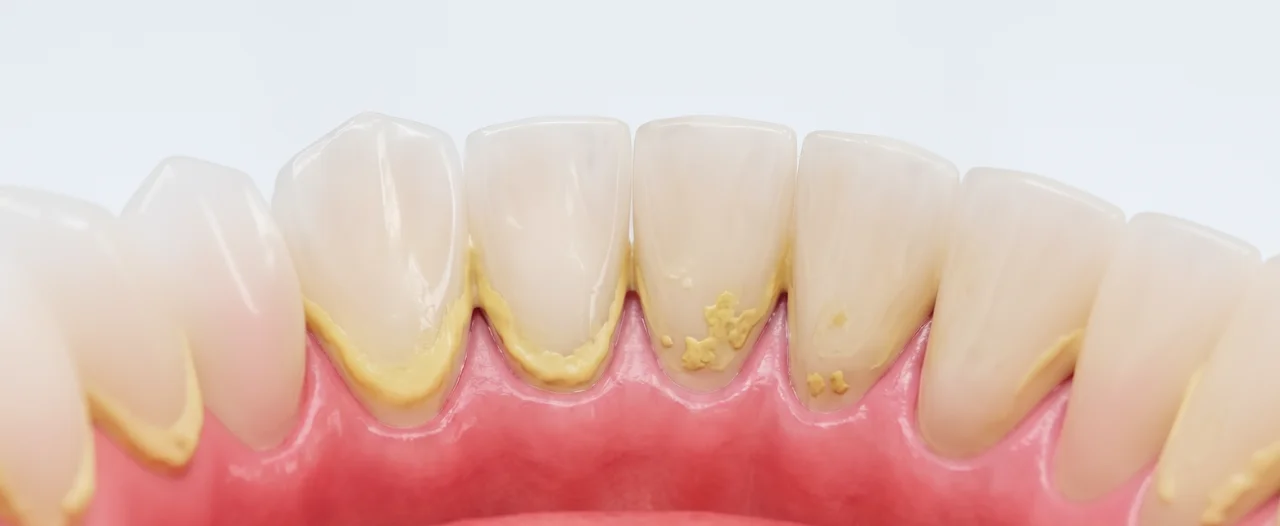
- A growing cavity: it doesn’t hurt at first. Discomfort starts as it gets closer to the center of the tooth.
- An inflamed nerve (pulp): pain when chewing, or sensitivity to hot or cold that lingers after eating.
- Gums: inflamed, receding, or infected gums can cause discomfort around the tooth.
- A cracked or injured tooth: pain when biting, sometimes hard to pinpoint.
Some signs suggest the nerve of the tooth may be affected: pain when chewing, sensitivity to hot or cold that lasts after eating, swelling of the gums or face, and a tooth that darkens, according to Delta Dental. To learn more, here’s how we find the cause of tooth and jaw pain.
Tooth pain at every stage of life
- Children: Tooth pain in kids most often comes from cavities in baby teeth and in the first permanent molars, or from injuries during play. If your child complains of a toothache, schedule a checkup with a pediatric dentist.
- Teens: Cavities remain a common culprit, along with sports injuries. A regular checkup is the best first step, and if your teen plays sports, a mouthguard can help prevent painful accidents.
- Adults: For adults, tooth pain usually traces back to untreated cavities, an inflamed nerve, or gum problems. Because the cause varies, a checkup is key so that treatment can be matched to what is actually going on.
- Older adults: Later in life, pain often comes from cavities forming around existing restorations or on tooth roots exposed by receding gums. Regular checkups and good gum care go a long way toward keeping these problems under control.
Untreated tooth decay isn’t a problem of just one age. According to the CDC, it affects about 11% of children ages 2 to 5, nearly 18% of those ages 6 to 8, nearly 21% of adults ages 20 to 64, and nearly 13% of adults 65 and older.
Why shouldn’t you wait for the pain to go away?
Tooth pain often comes and goes. When it eases, that doesn’t always mean the problem is gone.
- A cavity doesn’t stop on its own. It can move deeper into the tooth.
- When it reaches the nerve, treatment is no longer a simple filling. The tooth may need a root canal (endodontic treatment) to be saved.
- The sooner it’s evaluated, the more treatment options there usually are.
Learn how our endodontic treatment works and explore our restorative dentistry options.
Why go for a checkup even if nothing hurts?
Many dental problems don’t hurt at first. A small cavity, inflamed gums, or even an infection can be found during a routine checkup or on an X-ray, before any pain appears, as a dental insurance company explains. That’s why regular checkups matter at every stage:
- For children, the American Academy of Pediatric Dentistry (AAPD) recommends a checkup every six months.
- For adults, the team sets the schedule based on the health of your teeth and gums.
- At every age, the checkup includes your gums. Here you can see our periodontal treatments.
When is it a dental emergency?
Some situations shouldn’t wait:
- Swelling in the face, especially with a fever.
- A permanent tooth that has been knocked out completely.
- Severe pain that won’t ease, even with pain relievers.
At Clover Hills Dentistry, we offer same-day dental emergency care. If you’re not sure whether it’s urgent, this guide helps you decide when to come in right away and when it can wait.
How can Clover Hills Dentistry help?
We care for the whole family in one place:
- Children and teens: Dr. Alexander Ochoa Falla, a Board-Certified Pediatric Dentist, and his team care for their oral health from the very first tooth. Explore our pediatric dentistry.
- Adults: Dr. Jo-Ann Collantes and our team evaluate the cause of your pain and explain your options before starting any treatment.
- If you feel anxious about the dentist, we offer sedation options based on the procedure and each person’s needs.
Frequently asked questions
Can tooth pain go away on its own?
It may ease for a while, but the cause is usually still there. It’s best to have the team evaluate it.
Does tooth pain always mean I need a root canal?
No. It depends on the cause. It could be a cavity treated with a filling, a gum problem, or a cracked tooth.
What should I do if the pain starts on a weekend?
Call the office on the next business day. If you have facial swelling with a fever, or trouble swallowing or breathing, seek medical care right away.
How often should I get a checkup?
For children, the AAPD recommends every six months. For adults, the team sets the schedule based on your case.
Do you see children and adults at the same office?
Yes. At Clover Hills Dentistry, we care for the whole family in one place.
Don’t let pain make the decision for you
At any age, tooth pain is a signal worth listening to, and regular checkups help keep it from showing up.
At Clover Hills Dentistry, our team is with you at every stage of life.
Book your checkup on our tooth and jaw pain page.
Phone: 956-997-9799
Address: 2605 N. Shary Rd., Mission, TX 78574
Hours: Monday to Friday, 7:30 AM to 5:00 PM