
What Happens If My Child Doesn’t Brush Well? Common Problems and the Habits That Protect Their Teeth
Quick answer
When a child doesn’t brush well, plaque stays on the teeth and can lead to cavities, inflamed gums, and bad breath. Early childhood cavities are the most common chronic disease of childhood and can cause pain and missed school days, according to Texas Children’s Health Plan. A simple habit helps prevent them: brushing twice a day with fluoride toothpaste, using the right amount for your child’s age, with help from an adult. At Clover Hills Dentistry, Dr. Alexander Ochoa Falla, a Board-Certified Pediatric Dentist, supports every family along the way.
What happens in a child’s mouth when they don’t brush well?
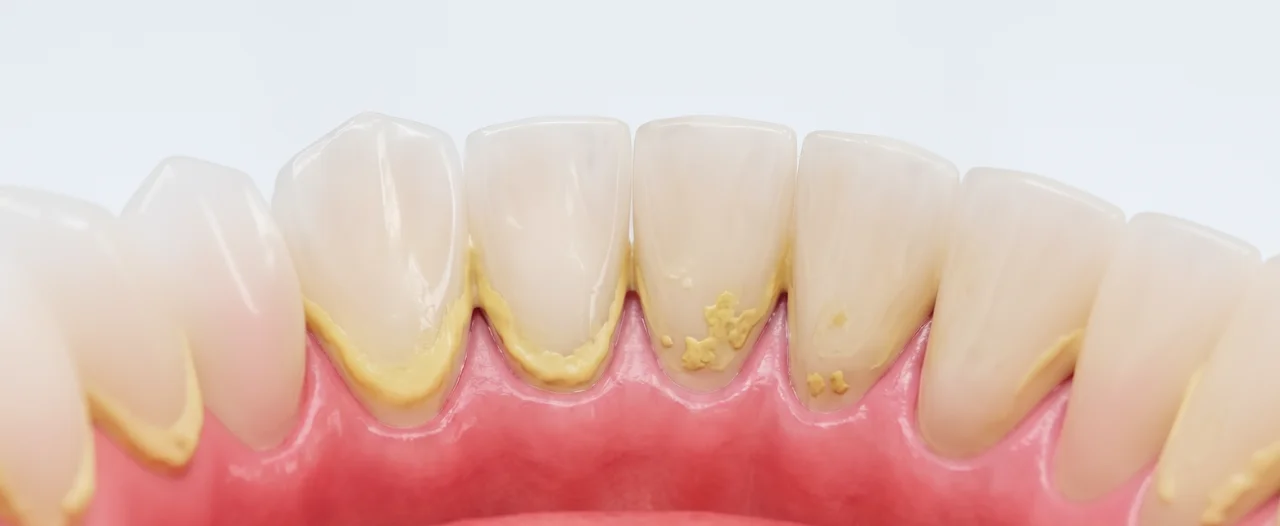
Plaque is a sticky film of bacteria that forms on the teeth every day. When brushing doesn’t remove it, those bacteria feed on the sugars in food and produce acids that weaken tooth enamel. Over time, this can lead to:
- Cavities: areas of enamel that weaken and can move deeper into the tooth.
- Inflamed gums: gums that look red or bleed when brushing.
- Bad breath: that doesn’t go away with brushing.
- Discomfort or tooth pain: as a cavity progresses.
The molars are affected most. They have deep grooves where plaque builds up and a toothbrush has a hard time reaching. To see how these needs change with age, read our guide to children’s dental care by stage.
Why does brushing matter at every stage, from the first tooth to age 12?
A child’s mouth changes a lot between the first tooth and age 12. At each stage, brushing protects something different.
- From the first tooth to age 5, baby teeth: they hold space for the permanent teeth, help with chewing, and play a role in speech development, according to Children’s Hospital of Philadelphia. If one is lost early to decay, that space can be lost too.
- Around age 6, the first permanent molars arrive: they come in at the back of the mouth without any tooth falling out first, so many parents assume they are baby teeth. They have deep grooves and sit where a toothbrush has the hardest time reaching. These molars are meant to last a lifetime.
- From age 6 to 12, baby and permanent teeth together: there are loose teeth, gaps, and new teeth at different heights. Plaque builds up more easily around these changes, and children want to brush on their own even though they can’t yet reach every area.
That is why care starts with the first tooth and continues with the same attention until all the permanent teeth are in place.
What signs show that brushing at home isn’t working?
It’s worth scheduling a checkup if you notice:
- White or brown spots on the teeth.
- Gums that are red, swollen, or bleed when brushing.
- Bad breath that doesn’t go away.
- Discomfort when eating something cold or sweet.
- Your child avoiding chewing on one side.
These signs don’t always mean an advanced problem. What matters is that the team observes what is happening and guides you early. The gums offer clues too; here we explain how to know if your gums are healthy.
How should a child brush at each age?
Brushing starts with the first tooth, twice a day, ideally after the first and last meals of the day.
| Age | Amount of fluoride toothpaste | Who brushes |
|---|---|---|
| First tooth to age 3 | A smear the size of a grain of rice | An adult |
| Ages 3 to 6 | A pea-sized amount | The child starts, and the adult helps and finishes the brushing |
| Ages 6 to 12 | A pea-sized amount | The child, with adult supervision, especially on the back molars |
These are the amounts the CDC recommends. A CDC study found that more than 38% of children ages 3 to 6 used more toothpaste than recommended, and that nearly 80% started brushing later than advised.
Other key points from the HRSA brushing guide:
- Supervision: recommended until age 7, or longer if your child can’t yet brush well alone.
- Spit, don’t rinse: after brushing, your child spits out the extra toothpaste without rinsing, because the toothpaste left behind keeps protecting the teeth.
- Technique: gentle circles over every surface of the teeth, front and back.
- Toothbrush: small, with soft bristles.
Floss once a day as soon as teeth touch each other, because a toothbrush can’t reach those surfaces, according to Smiles for Life.
How can brushing become a habit without a fight?
A habit is built on consistency more than rules. A few ideas that help:
- Use a timer, a song, or a video so the two minutes go by faster.
- Find a comfortable position. With babies, their head can rest on your lap. With older children, you can stand behind them in front of a mirror.
- Let them try first, then finish for them.
- Brush together. Children copy what they see.
- Make nighttime brushing the last thing of the day, after the last meal or drink.
What does Dr. Alexander Ochoa Falla look for at each visit?
Dr. Alexander Ochoa Falla is a Board-Certified Pediatric Dentist. At each visit, Dr. Ochoa and his team:
- Observe your child’s teeth and gums and follow their development from one visit to the next.
- Check the areas where plaque builds up, to see which part of brushing needs adjusting.
- Give you practical tips to care for your child’s smile at home, based on their age.
Care may also include preventive steps such as fluoride and sealants on the molars, depending on what each child needs.
For teens, who brush on their own but not always with the same care, we offer dental care for adolescents. Explore all of our pediatric dentistry services in Mission, TX.
When should I call the office right away?
Some situations shouldn’t wait until the next checkup:
- Tooth pain that won’t ease.
- Swelling in the face or gums.
- A broken or injured tooth.
For these cases, we offer emergency dental care. If you’re not sure whether it’s a dental emergency, this guide helps you decide when to come in right away and when it can wait.
Frequently asked questions
At what age should I start brushing my child’s teeth?
As soon as the first tooth comes in, twice a day.
How much fluoride toothpaste should I use?
A smear the size of a grain of rice until age 3. A pea-sized amount from ages 3 to 6.
Until what age should I help my child brush?
Supervision is recommended until age 7, or longer if your child still can’t brush well alone.
When does my child need to start flossing?
Once two teeth touch each other, once a day.
How often should my child see the dentist?
The American Academy of Pediatric Dentistry (AAPD) recommends a checkup every six months. Your pediatric dentist may adjust that schedule based on your child’s needs.
When should my child’s first visit be?
When the first tooth comes in, or by their first birthday at the latest.
A simple routine today protects their smile tomorrow
Brushing well doesn’t take complicated techniques: the right amount of toothpaste, twice a day, with an adult’s help and regular checkups.
At Clover Hills Dentistry, Dr. Alexander Ochoa Falla and his team support your family from the very first tooth.
Schedule your child’s next visit on our pediatric dentistry page.
Phone: 956-997-9799
Address: 2605 N. Shary Rd., Mission, TX 78574
Hours: Monday to Friday, 7:30 AM to 5:00 PM